


HPPR Spotlight Stories
-
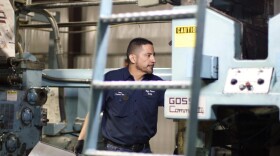 As newspapers around the country close and consolidate, a printing press in Liberal, Kansas, is a lifeline for local media in the region.

High Plains regional news
-
 Oklahoma Natural Gas is asking the state Corporation Commission to approve a rate hike that would cost the average utility customer about $2.50 more than they currently pay monthly.
 -
 How will the jobs of tomorrow look different? We’re taking a look at some of Texas’ most prominent industries and providing a glimpse at where they’re headed.
 -
 Oklahoma is a step closer to criminalizing people in the state without legal immigration status. Democrats questioned the bill’s legal and moral merits, as well as the consequences of its passage, intentional or not, during a tense House floor discussion Thursday morning.
 -
 LaTurner cited spending more time with family and young children as the reason for his decision.
 -
 More than 40% of the state’s population is Hispanic, but its mental health provider population is more than 80% white.


Happenings across the High Plains


Regional Features
-
 Don't take it too personally when one or more of your plants just...doesn't make it. It happens. In fact, it doesn't make you the plant murderer you might fear you've become. And in a way, it's almost freeing, as it's part of the natural cycle, and keeping this in mind, along with how much new life you're also bringing into the world, can help to deepen your relationship with your garden, and nature in general.
 -
 HPPR files/KMH filesHello, Radio Readers! I’m Jane Holwerda and – believe it or not –it’s time to wrap up this most incredible of Spring Reads, “Water, Water, Neverwhere.”
 -
 Tune in to hear the Harrington String Quartet perform works by Schulhoff, Bartók, Grant Still, Webern, and Price!
 -
 James St. John, CC BY 2.0 <https://creativecommons.org/licenses/by/2.0>, via Wikimedia CommonsTo end this set of readings with Plainwater by Anne Carson feels perfect. If not perfect, well, it still feels. Carson, once described by Bruce Hainley as “a philosopher of heartbreak” doesn’t just mix genres in her works but calls into question linguistic and cultural bedrocks that inform our reading of the continuity of human experiences.


NPR Top Stories

Carlos Osorio
/
AP
Five of the 31 tanks have already been lost to Russian attacks in Ukraine, where the use of surveillance and hunter-killer drones had made it difficult for them to operate.


Courtesy of the artist


Leave a legacy of public radio for your community and the High Plains region


